
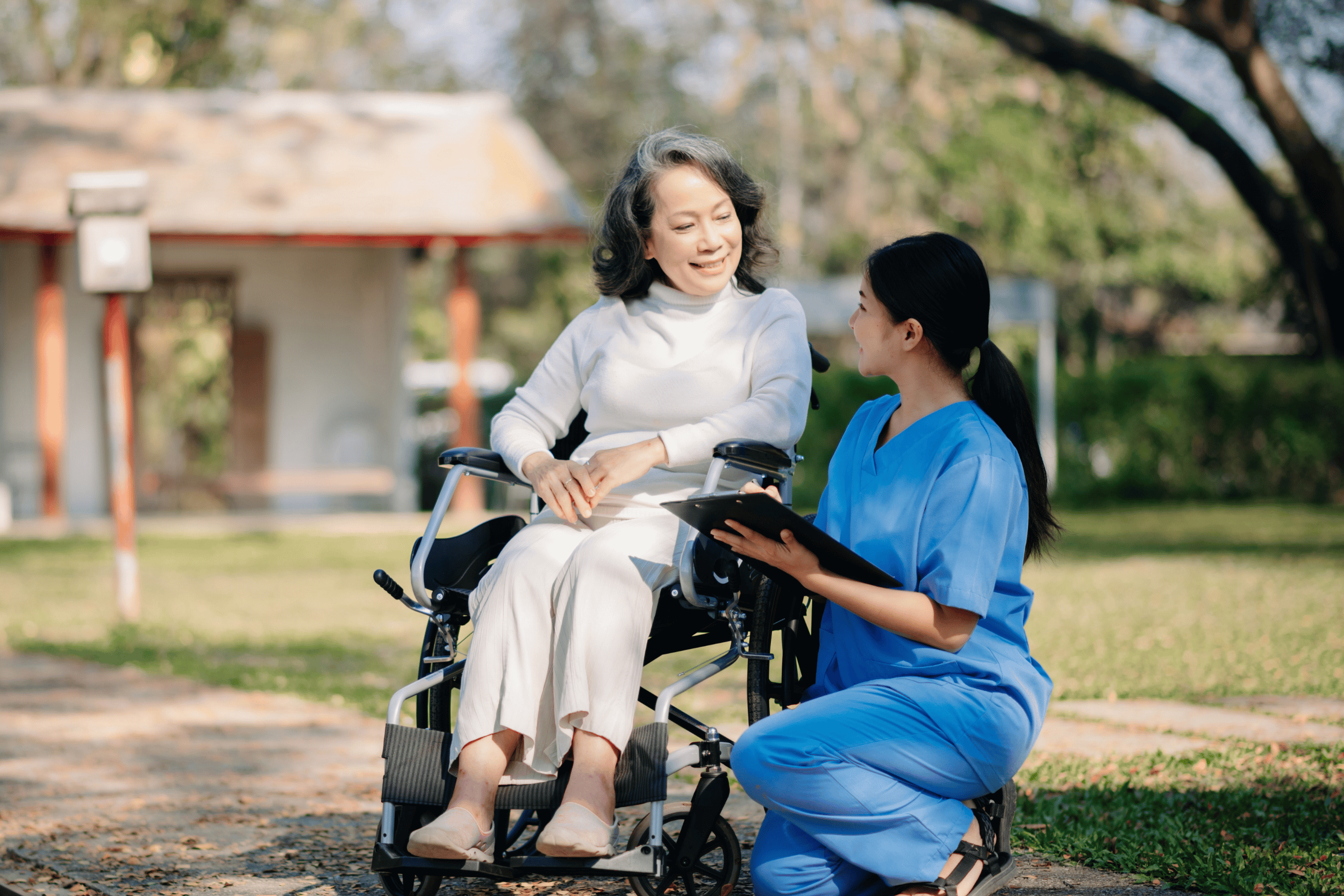
Picture two rural communities. One has a nearby primary care clinic but limited access to specialty services. The other has healthcare facilities spread across a much larger geographic area, making even routine appointments a considerable trip.
Both communities are classified as rural, yet the challenges involved in receiving healthcare can look very different.
It's an important distinction, especially as healthcare organizations look for better ways to reach underserved populations. Rural America isn't a single type of community with a single set of needs, and improving access requires more than applying the same strategy across every region.
The opportunity lies in recognizing those differences and building healthcare delivery models flexible enough to respond to them.
The Problem With Treating Rural America as One Place
When rural healthcare comes up in conversation, distance is often one of the first challenges mentioned. And for good reason: longer travel times, limited transportation options, and fewer nearby healthcare facilities can all make accessing services more difficult.
But geography only tells part of the story.
A farming community in the Midwest may have different healthcare needs and resources than a mountain town in the West or a coastal community with an aging population. Workforce availability, infrastructure, local healthcare partnerships, and even seasonal conditions can influence how residents receive care.
The Rural Health Information Hub identifies a wide range of challenges affecting rural communities, from healthcare workforce shortages and transportation limitations to economic conditions and access to specialty care.
These factors don't affect every community in the same way, which makes local context essential when developing healthcare programs.
A strategy that works well in one region might need significant adjustments in another. That doesn't mean the original approach was ineffective; it means successful healthcare delivery depends on understanding the environment in which it operates.
For health plans serving members across multiple regions, recognizing those differences is an important starting point.
What If We Designed Care Around the Community?
Much of healthcare is organized around established locations and schedules. Patients are typically expected to travel to a clinic, hospital, or screening facility during designated appointment hours.
That model remains essential, but it doesn't always accommodate the realities of every community.
A more flexible approach begins by examining how members can realistically access the services they need.
In one area, partnering with an established local healthcare facility may be the most practical option. Elsewhere, mobile services, telehealth, or in-home visits could provide additional opportunities to reach people who face challenges with traditional appointments.
The goal isn't to replace existing healthcare infrastructure. It's to expand the ways people can connect with it.
This community-informed approach is also reflected in the Centers for Medicare & Medicaid Services' rural health framework, which emphasizes the importance of considering geographic differences and incorporating the perspectives of rural communities into healthcare planning.
For health plans, that means looking beyond whether a service is available on paper and considering how accessible it is in practice.
Are members able to reach the screening location? Does the delivery method account for local transportation and scheduling limitations? Are there opportunities to bring certain services closer to the people who need them?
Questions like these can reveal where a more adaptable approach might make a meaningful difference.
Flexibility Takes More Than a Different Location
Bringing services closer to members is one part of the equation. Making that approach work consistently requires thoughtful coordination behind the scenes.
Consider what goes into organizing preventive healthcare visits across a geographically dispersed population. Appointment availability, travel routes, staffing, equipment, and communication all need to come together.
In regions where members live farther apart, efficient routing and scheduling can become particularly important. Care teams need workable plans that account for travel time while still accommodating individual member needs.
Technology can support that process by helping organizations coordinate visits, organize service areas, and manage the logistics of delivering care across different locations.
But technology alone isn't the solution.
A well-planned route won't accomplish much if the appointment time doesn't work for the member, just as a successful screening needs a clear process for sharing results and coordinating appropriate follow-up.
The strongest delivery models bring operational planning and personal attention together, allowing organizations to make practical adjustments without losing sight of the people receiving care.
For health plans, this creates an opportunity to think about flexibility not simply as a convenience, but as an important consideration in how preventive services are organized and delivered.
Bringing Preventive Care Closer to Home
One way to introduce greater flexibility is to reconsider where certain preventive services take place.
Through its in-home healthcare model, MeaeCare helps health plans reach members by delivering health risk assessments and preventive screenings directly to their homes.
Services include health risk assessments, diabetic retinopathy screenings, osteoporosis screenings, and select laboratory testing. By bringing these services to members, MeaeCare provides an additional option for people who may find it difficult to travel to traditional healthcare facilities.
This approach is particularly relevant in rural communities, where distance and transportation can create additional challenges for completing recommended screenings.
It also brings operational considerations into focus. Coordinating in-home visits across different communities requires careful scheduling, route planning, and communication to support reliable service delivery.
Importantly, in-home services are intended to complement existing healthcare relationships, not replace them. Screening findings and assessments can help inform a member's ongoing care, with appropriate communication and follow-up remaining essential parts of the process.
It's one example of how healthcare organizations can expand their approach to preventive care without expecting every member to receive services in exactly the same way.
A More Adaptable Future for Rural Healthcare
The future of rural healthcare doesn't depend on finding one model that works everywhere. It depends on creating approaches that can respond to the needs of different communities while maintaining consistent standards of care.
For some populations, the greatest opportunity may involve stronger local partnerships. For others, expanding mobile services, improving care coordination, or offering certain screenings at home may help address barriers that have historically limited access.
There's room for all of these approaches, and continued innovation can make them more effective.
The important shift is moving beyond the assumption that geographic differences should be addressed with identical delivery strategies.
As healthcare organizations continue investing in rural communities, understanding local needs, listening to members, and remaining open to different models of care will be essential.
Rural communities have never been identical. The next generation of healthcare delivery has an opportunity to reflect that.
Ready to schedule your visit?
Call us, email us, or book online. We're here Monday through Friday, 9am to 5pm.

More from our blog
Explore insights on care delivery